How to Choose the Right Signage for Your Business
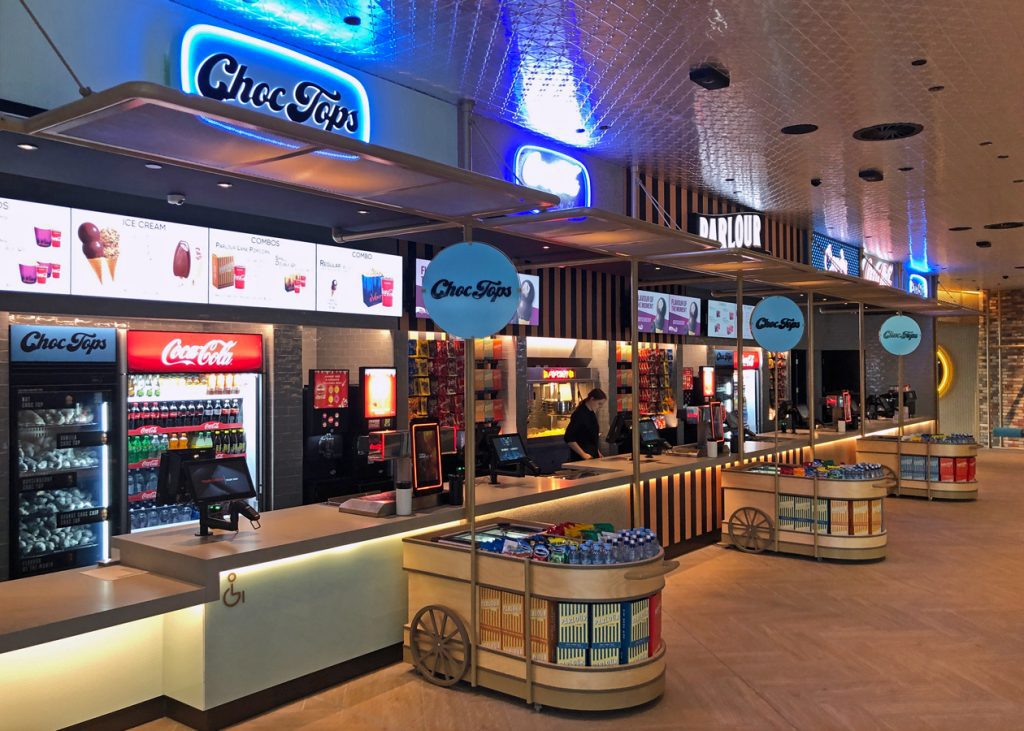
Your signage is part of your business and part of your brand. You may be fitting out new premises, carrying a rebrand across an existing frontage, refreshing signage that has started to show its age, or bringing another site into line with the rest. In each case, the signage on and around your building is one of the most visible expressions of who you are as a business.
The right signage for a business is shaped by the type of business, the location of the building, how people move through the premises and the budget. There are many types of signage available to businesses across Auckland and New Zealand, from window graphics and fascia panels to illuminated lettering, freestanding plinths and wayfinding systems, and each one suits a different purpose. Taking the environment, the location, the type of business and the budget into account means the signage works for the building it sits on and the people who see it, as the range of work across BIG’s projects shows.
In this guide:
- Signage as Part of Your Brand Kit
- Types of Signage for Different Businesses
- Location, Visibility and Signage Rules
- Wayfinding and Corporate Office Signage
- Choosing Signage to Suit Your Budget
- One Brand Across Multiple Sites
- Where Vehicle Signage Fits
- Talk to BIG About Your Business Signage
- FAQs
Signage as Part of Your Brand Kit
Business signage sits within the wider brand kit, alongside the logo, colours, typography, website and marketing materials that together create a consistent impression wherever a business is seen. Branding and signage on a building is an ideal opportunity to promote a business and communicate its brand identity. That’s why exterior signage is at its strongest when it reads as a natural extension of everything customers already recognise.
The brand also has a direct bearing on the practical decisions that follow. A bold, simple logo with a strong colour palette translates onto a fascia, a lightbox or a window with very little adaptation, while a more detailed identity may need its key elements drawn out so they read clearly from a distance. The principles behind creating memorable business signs, including simplicity, legibility and contrast, carry across every format, which keeps the brand recognisable whichever type of signage is chosen.
Types of Signage for Different Businesses
The way people find and use a premises shapes what its business signage needs to achieve. A café relying on passing trade asks something different of its signage than a professional services firm whose clients arrive by appointment, and the types of signage that suit each follow from that difference. Whatever the format, the brand kit sets the colours, typography and visual style it carries, so each type of signage looks like part of the same business.
| Type of Business | Signage Considerations |
|---|---|
| Retail and Shop | Shop signage needs to capture attention from the street, carry the brand clearly and leave room for promotional messaging. Fascia and shopfront signage, illuminated signage and window graphics often work together to achieve this. |
| Hospitality | Hospitality signage needs to be legible after dark and recognisable from across the road. Illuminated signage, under-veranda signage and window graphics help a venue stay visible through evening trade. |
| Corporate and Professional Offices | Office signage identifies the tenancy and creates a considered first impression for clients and visitors. Reception signage, wayfinding and interior graphics play a larger role here than street-facing visibility. |
| Industrial, Warehouse and Trade | Signage for these sites needs to identify the business clearly from the road and support safety and compliance on site. Building signage, freestanding site identification and directional signage are common choices. |
| Multi-Site and Franchise | Signage across several locations needs to hold the brand consistently on different buildings. A repeatable signage specification helps every site look like part of the same business. |
Many premises draw on more than one of these categories. The new Briscoes and Rebel Sport stores in Ashburton show how this works in practice. BIG produced full external signage, plinth graphics and ACM panels alongside 25 custom internal lightboxes and instore wayfinders suspended from the ceilings. Looking at the whole customer journey, from the first sighting of the building to finding the right counter or room inside, brings the full picture into view before a quote is requested.
Location, Visibility and Signage Rules
Where a building sits and how far away its signage will be read from both have a strong influence on the choice. A high-traffic street frontage rewards scale and contrast, and a shopping centre tenancy is usually guided by landlord design requirements. A standalone building may suit freestanding or monument signage at the entrance, while premises on a quieter side street often benefit from directional signage leading people in.
For buildings seen from a distance, large and simple building signage tends to deliver the strongest result. When Storage4You moved into one of the largest buildings on the Whangaparāoa Peninsula, BIG designed a prominent landmark built on that philosophy. The oversized lettering was routered from 23 sheets of ACM to create building signage with maximum impact.
Time of day matters just as much. Where a business trades into the evening or needs to be recognised after dark, illuminated signage keeps the brand visible through those hours. Where the priority is daytime presence, or messaging that changes with the seasons and promotions, non-illuminated signage and window graphics can be the better fit, with digitally printed glass graphics allowing plain windows to carry vibrant, detailed designs. The trade-offs between the two are explored further in our guide to illuminated and non-illuminated signage.
Location also sets the rules signage needs to work within. Auckland Council sets its signage rules by zone, covering size, height, illumination and placement, and signs visible from a state highway fall under NZTA’s guidance on advertising signs. Landlord approval may also be required, particularly in shopping centres and multi-tenant buildings.
For the custom illuminated sign at Queens Rooftop Bar, council and landlord consents took eight months before installation could begin. The finished sign went on to win Bronze for illuminated signs at the New Zealand Sign Display Awards 2025. BIG’s project management team handles consent applications as part of the job, and confirming requirements early keeps a project moving.
Wayfinding and Corporate Office Signage
Wayfinding signage shows visitors how to get where they’re going. It becomes valuable once visitors or staff regularly need directions to a room, a department or an exit. That often begins with a second floor, a second building or a reception set away from the main entrance.
Wayfinding includes directional signs, floor and building directories, room identification, and the safety and exit signage that sits alongside them. Some of this is a requirement rather than a design choice, with clause F8 of the Building Code setting out signage for escape routes, hazards and accessible facilities. Well-designed wayfinding also adds to the character of a space. The wayfinding signage BIG produced for LyLo is functional while adding to the dynamic environment with contemporary colours and bold figures, fabricated from 10mm acrylic matched to the brand’s colour palette.
Corporate office signage belongs to the same conversation. The reception area is the face of a company’s brand, and reception signage, meeting room identification and interior graphics all contribute to how clients and staff experience the space. For AJ Park’s office renovation, BIG brought the firm’s new brand into the office through wall and glass graphics, acrylic room names and an illuminated welcoming wall at the elevator. The 3D elements gave the signage a dimensional and premium feel.
Wayfinding and corporate signage are often briefed together as part of one fit-out, with installation planned around a working office.
Choosing Signage to Suit Your Budget
Budget is an important part of the decision. Every level of investment can produce signage that does its job well when the specification suits the building and the length of time it needs to last. Signage is quoted project by project, so at this stage what each level typically includes is a more useful guide than a specific figure.
| Level of Investment | What It Typically Includes |
|---|---|
| Entry Level | Cut vinyl lettering, digitally printed window graphics, frosting, printed panels and door signage. These options are quick to produce and straightforward to update, which suits a first fit-out, a shorter tenancy or promotional messaging. |
| Mid Level | Non-illuminated built-up lettering, fascia and shopfront signage, reception signage and a complete wayfinding set. At this level, material choice and fabrication quality become more visible in the finished result and in how the signage looks over time. |
| Premium | Illuminated signage, channel letters, lightboxes, freestanding and monument signage, and full corporate or retail fit-outs. These projects often involve engineering and fabrication, electrical work, consent and a longer programme. |
Signage can also be staged, beginning with the element that carries the most weight on a site, often the frontage or the reception, with further signage added as the business grows. When the full scheme is planned at the outset, later stages are specified to match the first, so the signage reads as one considered brand presence.
Budget and location are closely linked. A retailer on a busy main road may rely on its signage for a different level of visibility than an office whose clients arrive by appointment. Our guide to what drives the cost of business signage in New Zealand covers size, materials, illumination, installation and consent in more detail.
One Brand Across Multiple Sites
For businesses operating more than one location, consistency across every site becomes part of the brief. The buildings will rarely be identical, so the signage specification adapts to different frontages, heights and tenancy rules while the logo, colours and level of detail stay consistent from one site to the next.
When Rebel Sport refreshed its brand, BIG worked with parent company Briscoe Group on building signage for Rebel Sport stores across New Zealand. Designs were approved for the hero stores first, then developed into a standard signage package for the remaining stores, supported by a nationwide site check and audit across 40 sites. The key criteria were signage that was cost-effective, consistent, prominent and produced from high-quality products for longevity, a combination that suits any multi-site rollout.
Where Vehicle Signage Fits
The brand presence of a business often extends beyond the building to its vans, utes and cars. Vehicle signage is part of the same brand visibility decision, though it’s designed and specified on a different basis from premises signage. Our guide to the power of vehicle signage explores how vehicles can build brand awareness, and our comparison of vehicle signage vs car wraps in Auckland sets out the options in more detail.
Talk to BIG About Your Business Signage
The right business signage brings together your brand, your type of business, your location and your budget. With those in view, the conversation about signage in Auckland becomes a practical one about your building and what the signage needs to achieve.
At BIG, everything from design to digital printing and fabrication to installation is handled by an in-house family based in Wairau Valley. That means the same team is with you from the first conversation through to the finished sign and beyond, with signage care and maintenance keeping your signage looking its best for years after installation. That work was recognised at the New Zealand Sign Display Awards 2025.
It’s in the name. We take BIG ideas and produce signage that makes an impact.
Reach out today to talk to one of our friendly team about your premises and what you’re hoping your signage will achieve. We’ll guide you through the options for your building and work alongside you at every stage, so the signage you end up with is the right fit for your brand and your business.
FAQs
How Do I Choose the Right Signage for My Business?
The right signage reflects your brand and the job it needs to do on your site. Your type of business and how customers arrive point to the formats worth considering, and your location and visibility needs narrow those further. The layout inside shows whether wayfinding is needed, and your budget shapes what’s practical now and what can follow later.
What Type of Signage Is Best for a Retail Shop Compared With an Office?
Retail signage is focused on capturing attention from the street, so fascia signage, illuminated signage and window graphics tend to do most of the work. An office is more often experienced on arrival, which places reception signage, tenancy identification and a clear wayfinding set at the centre of the scheme.
Do I Need Illuminated Signage for My Business?
It depends on when your business needs to be seen. Where a business trades into the evening or needs visibility from the road at night, illuminated signage keeps the brand visible through those hours. Where the priority is daytime presence or regularly changing messaging, non-illuminated signage and printed graphics can be the better fit.
What Is Wayfinding Signage and Does My Business Need It?
Wayfinding signage includes the directional signs, directories, room identification and exit signage that help people move through a building. It becomes valuable once visitors or staff regularly ask for directions, and parts of it are a Building Code requirement in commercial premises.
How Much Should a Business Budget for Signage in New Zealand?
There’s no single figure, since signage is quoted per project. Whether a project sits at an entry, mid or premium level is a useful starting point, and BIG’s guide to the cost of business signage explains what influences the price within each level.